Beans, Anchovies, Preserved Lemons: The Quiet Joy of a Shelf That Feeds You
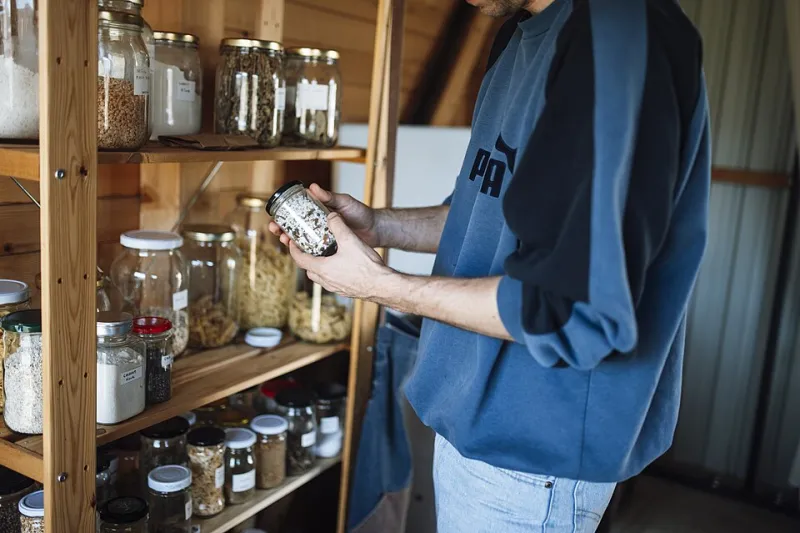
Photo: Shixart1985, CC BY 2.0, via Wikimedia Commons
Somewhere between the fridge and the cupboard under the stairs, the British larder has quietly returned. Not the aspirational pantry of glossy photographs — all symmetry and labelled ceramics — but something more practical and considerably more useful: a shelf, or half a shelf, that means dinner is never really in doubt.
The shift has been building for a few years and has settled into something like a habit. Home cooks are buying smaller quantities, buying better, and buying things that keep. The weekly shop has stopped being a single grand expedition and become a series of small top-ups, which makes a well-stocked shelf less of a hobby and more of an insurance policy.
What we actually mean by a larder
Not a walk-in room, and not a museum either. A working larder is a rotating cast of about twenty things: tinned beans and tomatoes, dried pasta and rice, a couple of grains you'll actually cook, anchovies, olive oil, vinegar, mustard, capers, preserved lemons, stock cubes, a bag of lentils, a jar of something bright. Plus onions, garlic and potatoes, which don't live on the shelf but belong to the same idea.
The point isn't abundance. It's coverage. A good larder means you can walk in at half seven, tired, with nothing planned, and produce something you'd happily serve to someone else within half an hour. That's the whole test.
The tin is the thing
Ask anyone who cooks for a living what they'd rescue from a burning kitchen and the answer is rarely glamorous. Tinned tomatoes. Tinned beans. Anchovies in oil.
Beans in particular have had a quiet decade of upward mobility. Butter beans, haricot, chickpeas, cannellini — the difference between a good tin and a cheap one is enormous, and it's the sort of thing cooks become quietly evangelical about. A good butter bean, warmed in olive oil with garlic and a squeeze of lemon and mashed lightly on toast, is a better dinner than plenty of things that cost four times as much.
Anchovies are the other quiet hero. Melted into oil at the start of a sauce, they aren't fishy; they're depth. A tin lasts months in the fridge once opened, covered in oil, and improves almost everything it touches.
Five things that earn their shelf space
Preserved lemons. Sharp, salty, strangely floral. Chopped into a dressing, folded through couscous, or laid under a chicken before it goes in the oven. One jar goes a long way and lasts a year.
A decent vinegar. Sherry or red wine, not the pale stuff at the back of the cupboard. Acid is what makes a plain thing taste finished.
Dried lentils. Cheap, fast, and the base of a hundred ordinary dinners. No soaking, no drama.
Tinned fish beyond tuna. Sardines, mackerel, smoked mussels. Lunch, essentially, with bread and something green.
Stock in some form. Cubes are fine. The point is having it, not being precious about it.
The shopkeeper's view
Independent grocers and delis report the same pattern: customers buying less, more often, and asking better questions. Fewer trolleys, more baskets. People want to be told what to do with the thing in their hand.
It's also a response to price. A tin of beans and a bag of rice are not extravagances, and a shelf built around them means the fresh shop — the meat, the fish, the vegetables — can be smaller and better chosen. The larder absorbs the pressure so the weekly spend stays sane.
There's a social side too. Delis and greengrocers have found themselves playing the role the hardware shop used to: somewhere you pop in for one thing and come out with a conversation and a recommendation. The larder is, quietly, a reason to keep these shops alive.
Starting one without buying a whole deli
Don't. That's the first rule. Nobody needs eleven vinegars.
Start with a week of ordinary meals in mind. If you cook pasta twice a week, buy accordingly. If you never make curry, don't stockpile spices that will go stale by March. Buy one good tin of beans a week and eat it; a larder that gets used is a larder that works. Write the date on things if you're the sort of person who needs to — there's no shame in it.
And keep the shelf visible. Cupboard doors hide neglect. A larder you can see is a larder you'll cook from, which is the entire argument in one sentence.
The everyday luxury
There's a lot of talk about small pleasures, and most of it is nonsense. But there is a real, specific satisfaction in opening a cupboard at nine on a Tuesday night and finding the makings of something good — no trip out, no delivery app, no decision fatigue, just beans and oil and bread and a lemon.
That's not frugality for its own sake. It's a kind of comfort. The larder isn't a store cupboard; it's the shelf that says you'll be all right. Quietly, unglamorously, one tin at a time.