Pass the Plates, Not the Menu: Britain’s Kitchen Supper Clubs Have Us Reaching for a Chair
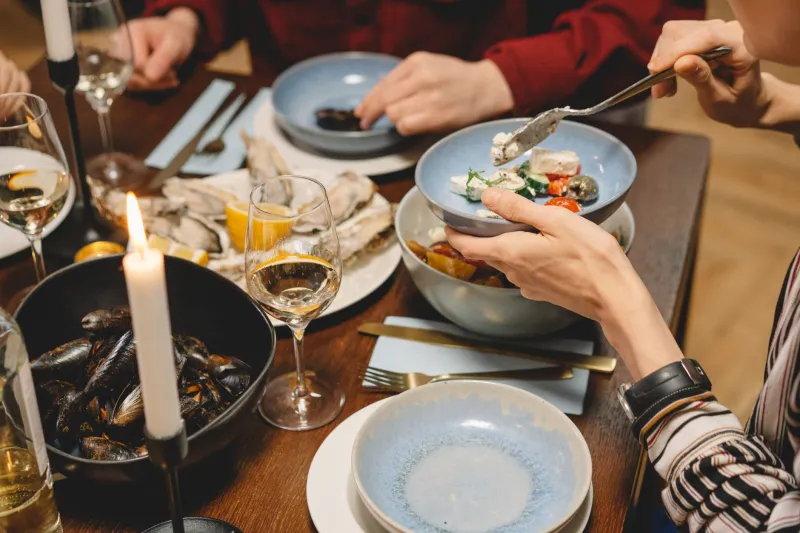
There is a particular kind of Saturday night that begins with a text message containing a postcode, a buzzy doorbell and the smell of something slow-cooking. You are not in a restaurant. You are in someone's flat, a rented studio or a church hall with the chairs arranged a bit too tightly. Welcome to the supper club, the format that has quietly become one of the most stylish ways to eat out in Britain in 2026.
Supper clubs are not new. They have been bubbling away for years in London, Leeds, Bristol, Glasgow and plenty of towns in between. What has changed is the mood. The best of them no longer feel like secretive dining societies or audition pieces for a restaurant launch. They feel like the most human way to spend an evening: a short menu, a long table, a host with a point of view and a room full of people who are willing to talk to strangers.
Why the kitchen table beats the dining room
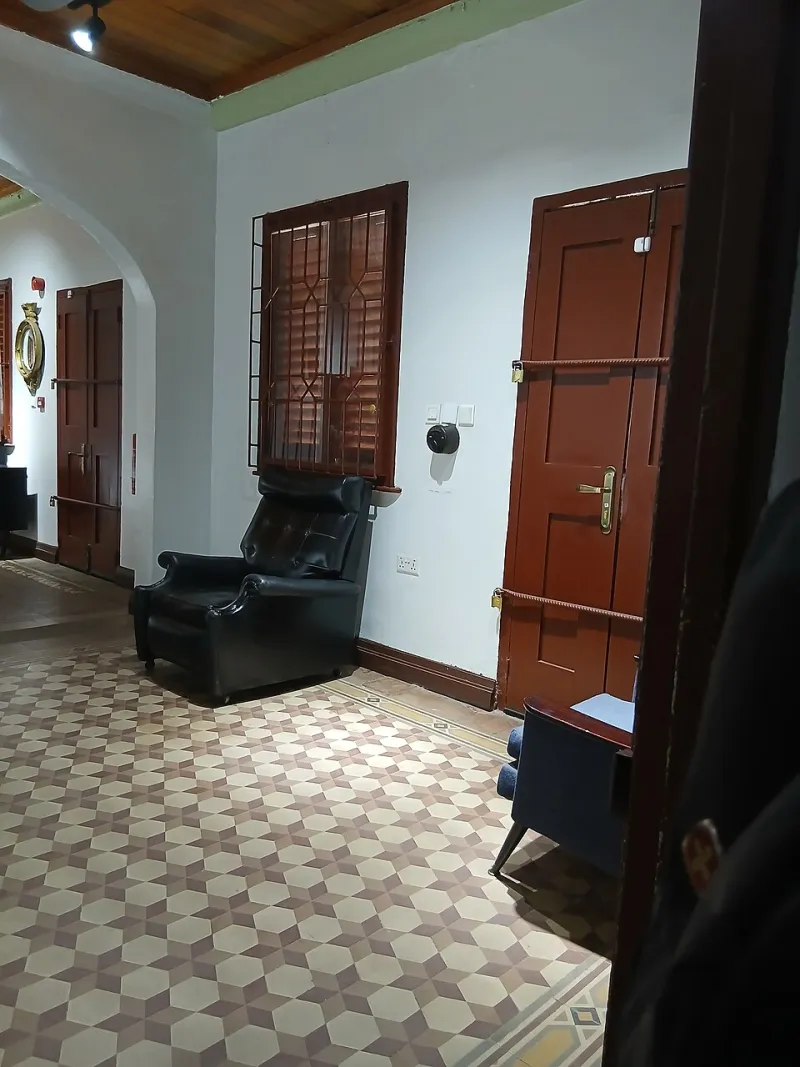
A restaurant can give you excellent food, polished service and a bill that arrives without surprise. What it cannot easily give you is the sense of being let in. Supper clubs trade on that feeling. You eat in a domestic space, or a space that has been made to feel domestic for the night, and the imperfections become part of the appeal: the slightly mismatched plates, the host nipping back to the kitchen, the bottle of wine someone brought because they were not sure of the rules.
That informality is not the same as sloppiness. The supper clubs worth your time are usually tightly organised underneath the charm. There is a clear arrival time, a set menu, a plan for dietary needs and a host who knows how many people are coming. The style comes from restraint: one or two choices, good ingredients, a table that has been thought about rather than simply filled.
It also helps that supper clubs sit in a useful middle ground between going out and staying in. You get the occasion of a booking without the stiffness of a full restaurant service. You get the intimacy of a dinner party without the awkwardness of having to host it yourself. For anyone who has grown tired of paying for atmosphere, it is a quietly radical proposition.
The new map of British supper clubs
The scene has spread well beyond the big cities. You will find chef-led home dinners in Brighton and Manchester, community tables in rented halls in Sheffield and Cardiff, and studio suppers in converted industrial spaces in Glasgow and Leeds. Some are run by professional cooks between restaurant jobs. Others are run by people who simply love feeding a room. The best ones tend to have a clear identity: a regional menu, a family recipe, a vegetarian focus, a monthly theme, a host who can explain why this dish matters to them.
Finding a good one takes a little more effort than opening a booking app, which is part of the point. Start with word of mouth. Ask in independent food shops, bookshops and cafés. Follow local newsletters and the social accounts of cooks you already trust. Look for clear information about the address, the price, the menu and the cancellation policy. A vague invitation can be romantic; it can also be a warning sign. If you have allergies or accessibility needs, ask upfront and expect a straightforward answer.
Price is worth being honest about. Many supper clubs charge somewhere between £25 and £50 a head, sometimes with drinks extra. That is not always cheaper than a mid-range restaurant, but you are paying for a different kind of evening: a host's labour, a smaller room, a menu that could not easily be scaled up. The value is in the specificity.
Etiquette: arrive curious, leave on time
Supper-club etiquette is mostly ordinary good manners with a little extra care. Arrive when you are asked to arrive. Tell the host about dietary needs well in advance, not on the night. If the invitation says bring your own, bring something you would be happy to drink. Do not treat the table like a restaurant menu and ask for swaps. Put your phone away unless you are taking a quick photograph of the food.
And talk. The whole format falls apart if everyone sits in their own bubble. Ask the person next to you what brought them there. Be interested rather than impressive. If the host is clearing plates, do not launch into a long anecdote that keeps them from the kitchen. Pay promptly, say thank you properly and leave when the evening has clearly ended. A good guest is not the one who stays latest; it is the one who makes the room easier to be in.
What makes a host worth returning to
A host worth returning to tends to have three things: warmth, boundaries and a clear sense of taste. Warmth is not performance. It is the small act of introducing people, remembering a name, making sure the quiet guest has someone to talk to. Boundaries are the timing, the price, the dietary arrangements and the confidence to say what the evening is and is not. Taste is not expensive ingredients. It is knowing that a simple pudding can close a meal better than a complicated one.
The best supper clubs leave you with more than a full stomach. They leave you with a new favourite street, a phone number, a recipe you will try badly at home. In a year when so much of our leisure time feels packaged and pre-booked, there is something genuinely stylish about a night that feels made for the people in the room. The best nights out in Britain in 2026 might just be in someone's kitchen. Bring a bottle, and be nice to the host.