Shelf Life: Why the Indie Bookshop Became Britain's Favourite Third Place
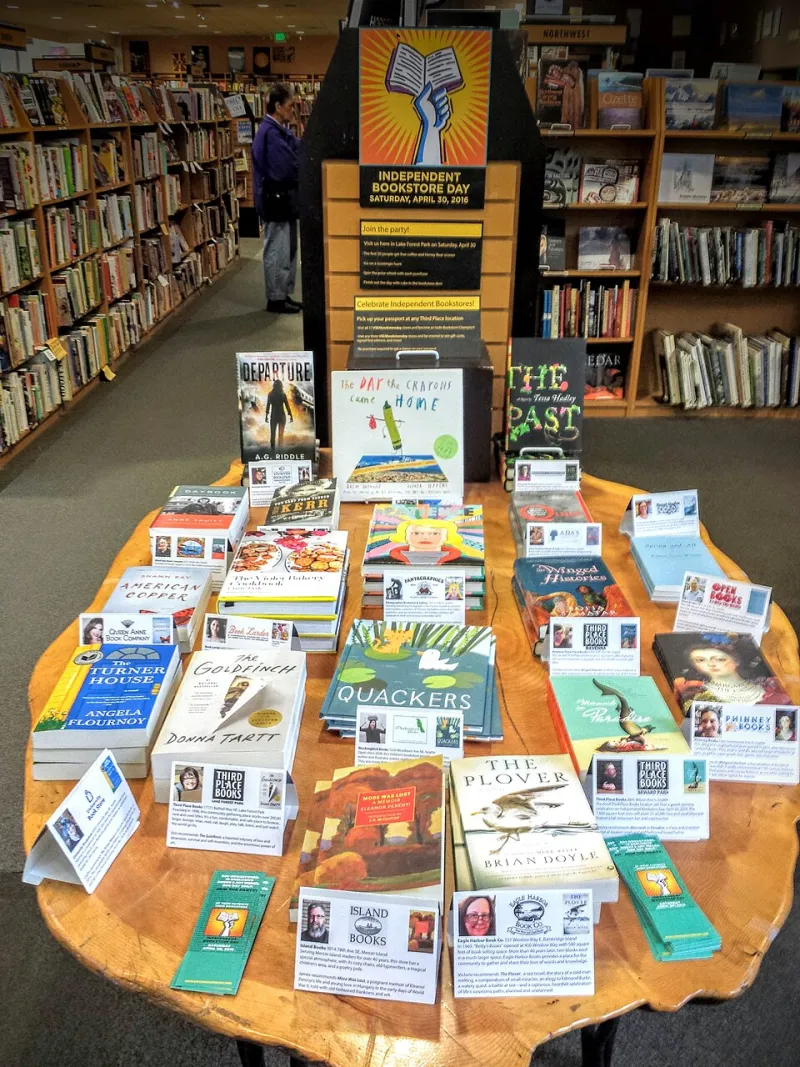
Photo: brewbooks from near Seattle, USA, CC BY-SA 2.0, via Wikimedia Commons
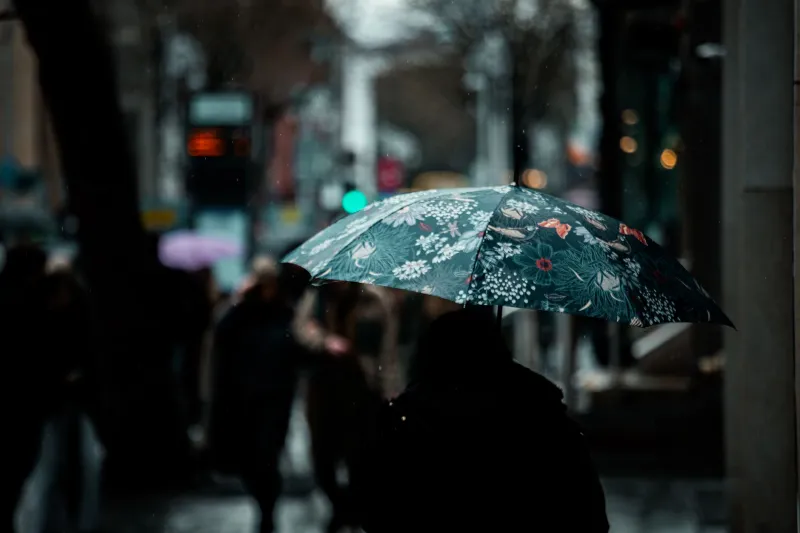
There is a particular sound a good bookshop makes on a wet Saturday: the door, the drip of coats, the low murmur of someone deciding. In 2026, that sound is being heard in more places than it has been for a decade. From converted garages in Sheffield to two-room shops above a bakery in Bristol, the British indie bookseller is not merely surviving the age of the feed. It is quietly thriving in it.
The algorithm can recommend. It cannot introduce you.
The past few years have taught even the most devoted online shopper a certain weariness. Recommendations arrive before you have finished wanting something; a book goes viral and is sold out by teatime; the same twelve covers appear on every screen you own. The feed is efficient. What it is not is surprising.
A physical shelf, by contrast, is gloriously finite. Someone with taste — a person, with a name and opinions and a slightly chaotic staff-picks table — has made choices on your behalf. You will find the book you came for, and then you will find three you did not know existed. That small detour is the whole point. In an era when discovery has been industrialised, the hand-sold book has become a luxury good.
More than a room full of books
The modern indie has stopped thinking of itself as a shop with events attached and started acting like a room the neighbourhood needs. The evolution has been steady rather than dramatic: late openings on Thursdays, a coffee machine that earns its keep, writing groups that meet before the shop opens, zine fairs, poetry nights, a corner where children can be parked while a parent reads two pages in peace.
Hybrid programming has been the quiet game-changer. A launch event in Leeds can now be streamed to a bookshop in Cornwall, splitting the author's fee and doubling the audience without doubling the travel. Subscription clubs — a monthly parcel, a handwritten note, sometimes a bar of chocolate from the deli next door — have given shops predictable income and given readers a reason to keep the direct debit going. The 'blind date with a book' table, once a novelty, is now standard practice, and it works because it trusts the reader to be curious.
There is also the unglamorous business of being useful. Shops that order the obscure textbook, hold the out-of-print title, ring you when it arrives and remember your name are offering a service no warehouse can imitate. That is not nostalgia. That is retail.
What the high street has worked out
Landlords and councils have begun to notice something the trade has known for years: a good bookshop is an anchor. It brings people onto a street at ten in the morning and keeps them there until six; it makes a town feel like somewhere rather than anywhere. In places as different as Alnwick, Wigtown and the back lanes of Norwich, the bookshop is not a garnish on the high street. It is part of the reason the high street exists.
This has not made the economics easy. Rents, rates and the brutal margins on new titles remain what they always were. But the shops flourishing in 2026 tend to share a few habits: they buy carefully rather than widely, they sell second-hand alongside new, they treat events as a core part of the business rather than a marketing extra, and they are honest about what they cannot do.
The appetite for slower culture
Underneath all of this sits a broader shift in what people want from a Saturday. Reading a book is a commitment of hours; buying one in person is a commitment of attention. After a decade of optimising culture for speed — the clip, the teaser, the twenty-second reaction — there is a visible appetite for the opposite: things that take time, that cannot be skimmed, that require you to be in a room.
A bookshop is one of the few remaining places in British life where you are not expected to be doing anything. You can stand in front of a shelf for eleven minutes and nobody will ask if you need help finding anything. That permission to browse, to think, to change your mind at the till, is a small and underrated pleasure. It is also, increasingly, what people are paying for.
How to join in
The revival is not something to admire from a distance. Buy the book you would have ordered online from the shop that recommended it. Go to the Thursday event even if it is raining. Join the subscription club and let someone else choose for you once a month. Take the recommendation from the person behind the counter, especially if it is a title you would never have clicked on.
The British bookshop has not been saved by sentiment. It has been saved by doing the thing the algorithm cannot: putting the right book into the right pair of hands, at the right moment, in a room where you are welcome to stay.