The Tiny Cabinet of Wonders: Why Britain’s One-Room Museums Are Winter’s Cleverest Escape
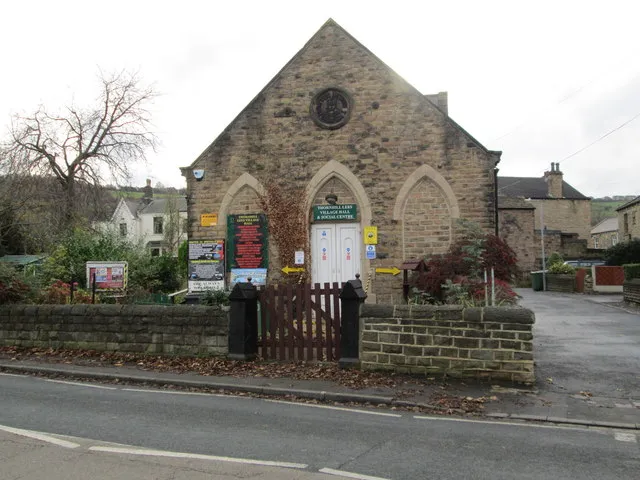
Somewhere in a former signal box, a volunteer is straightening a row of brass buttons. In a village hall two counties away, someone is wiping the glass on a cabinet of hand-labelled fossils. Neither place has a queue, a gift shop or an audio guide. Both are, in their own quiet way, among the best winter afternoons out in Britain.
The blockbuster exhibition has had a good run. It is still a fine thing to stand in front of a famous painting with a hundred strangers breathing down your neck. But in 2026 the big-ticket show is also expensive, timed, crowded and frequently sold out before you have worked out which train gets you there. The one-room museum offers the opposite bargain: turn up, put a coin in the donation box, and spend an hour in the company of objects that were never meant to be famous.
This is not nostalgia for dust. It is a different kind of curation — small, specific and stubbornly local — and it is having a moment precisely because it asks so little of you.
The case for going small
A one-room museum cannot do everything, and that is the point. With a single space and a volunteer rota, the people who run it have to make choices. A railway collection cannot sprawl. A local history display cannot include every photocopied deed in the parish. What survives is often stranger and more personal than a national story: a display about a bypass, a case of milk bottles from a dairy that closed in the 1970s, a wall of photographs of people whose names nobody quite agrees on.
Smallness also changes the pace. You are not working through a floor plan or trying to get your money’s worth before the timed slot ends. You can look at one thing for four minutes. You can read every label. You can leave after twenty minutes without feeling robbed, because you have spent less than the price of a coffee.
Winter suits this. A tiny museum is a warm room with a purpose, usually within walking distance of a bus stop, a church or a decent sandwich. It gives a grey Saturday a shape without demanding a full day out.
What you’ll actually find
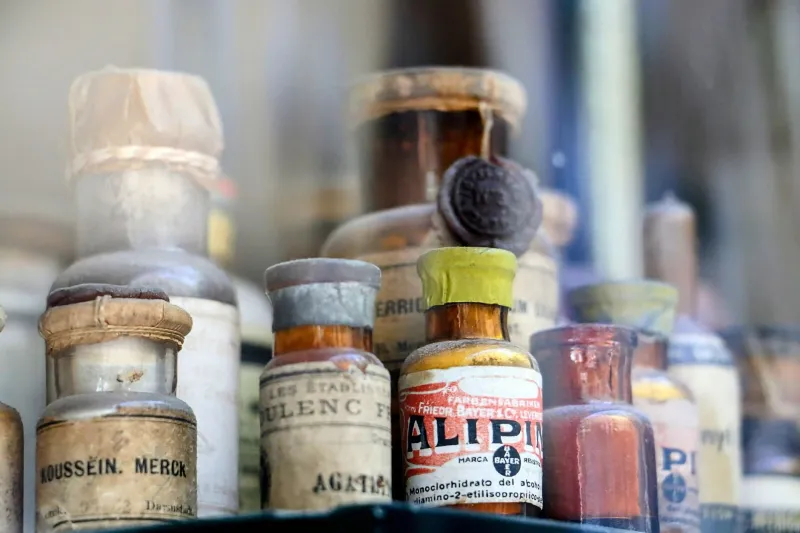
The contents vary wildly, which is part of the appeal. Expect railway memorabilia in a former signal box, hand-labelled cabinets in a village hall, old shop signs, school log books, wedding photographs, taxidermy of mixed quality and at least one item nobody can fully explain. The labels are often handwritten. Some are wrong. Some are beautifully overwrought. One will probably say ‘found in a field’.
You may also find the kind of object a larger museum would never display: a tea urn, a brass diving helmet, a model of a proposed housing estate that was never built. These are not lesser exhibits. They are evidence of how ordinary places remember themselves, which is rarely tidy and often more revealing than a polished timeline.
How to find one without a spreadsheet
Start local rather than grand. Search your council’s heritage pages, local history society websites and church noticeboards. Look for terms like ‘heritage centre’, ‘local history museum’, ‘signal box museum’ or ‘village hall exhibition’. Tourist information offices still exist in some towns and often keep printed lists that never make it online. Ask in a second-hand bookshop; the person behind the till usually knows.
Check opening hours before you travel. Many one-room museums are run by volunteers and open only at weekends, on bank holidays or by appointment. A quick phone call is not a nuisance — it is often the only way to confirm that someone will be there. Bring cash for the donation box. And pair the visit with something else: a walk, a cup of tea, a look at the church. The tiny museum works best as one part of a small day, not a pilgrimage.
The etiquette of the tiny museum
Sign the visitor book. Put something in the box, even if entry is free. Ask before taking photographs, especially of photographs or personal papers. Do not touch the objects unless invited. Keep your voice low, but do not treat the place like a library — a bit of conversation is usually welcome.
If the door is unlocked and the kettle is on, you have probably found the right place. If a volunteer apologises for the display, tell them honestly what you liked. They have heard ‘it’s small, isn’t it?’ more times than they can count.
The person behind the desk
The best exhibit is often the person minding the desk. They may have worked on the railway, grown up in the house across the road or spent ten years cataloguing a collection nobody else wanted. Ask what their favourite object is. Ask what they wish more people noticed. The answer is rarely the thing you would have picked, and it is almost always better than the label.
This is the quiet advantage of the one-room museum: it is a conversation with a place, hosted by someone who has not been trained to deliver a script. You might leave knowing more about a defunct branch line than your own family tree. You might also leave with a recommendation for a bakery, a walk and a second museum two villages over.
A winter afternoon well spent
Britain is full of these rooms. They are not hidden because nobody wants them; they are hidden because they are small, volunteer-run and bad at marketing. This winter, that is exactly why they are worth seeking out. No timed slot. No queue. No pressure to have an opinion about the blockbuster everyone else is posting about.
Just a warm room, a handwritten label and a volunteer with a story. Take a fiver for the box, leave time for a cup of tea, and let the smallest museum you can find do the rest.