Before Noon at the Pictures: The Quiet Luxury of a Daylight Screening

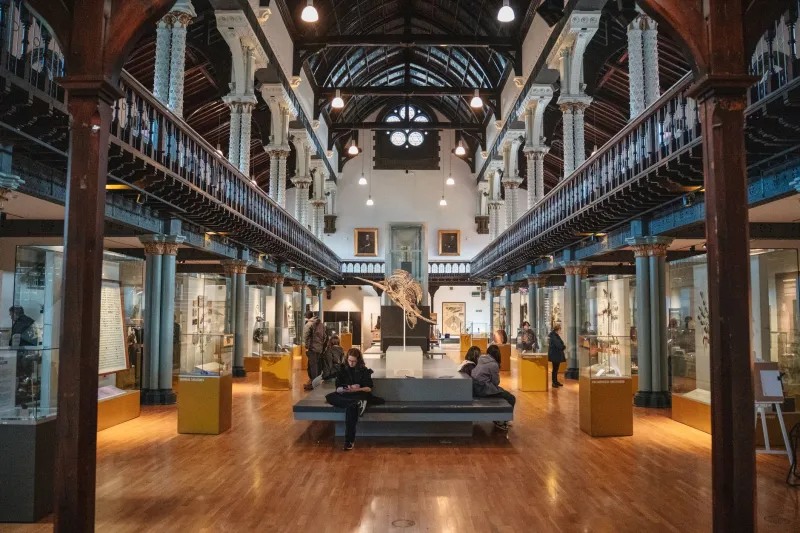
Photo: Elliott Brown from Birmingham, United Kingdom, CC BY-SA 2.0, via Wikimedia Commons
There is a particular hush in a cinema at 10:40 on a Tuesday morning. The escalator is still waking up. The popcorn machine has not yet begun its low, buttery hum. Somewhere behind the ticket desk, a member of staff is adjusting a poster that has slipped slightly crooked. You hand over a card, take a ticket that costs less than a sandwich, and walk into an auditorium with enough space to choose almost any seat you like.
This is not a secret, exactly. But it still feels like one. Across the UK in 2026, the weekday daytime screening — the mid-morning show, the early-afternoon matinee, the slightly odd 11:15 slot — has become a quiet ritual for people who want a film without the full evening performance of going to the cinema. No queue. No rustling. No frantic search for a seat in the dark. Just a screen, a handful of strangers and the small, civilised thrill of being out while the rest of the high street is still getting on with its day.
The daylight ticket
The appeal starts with the obvious: it is cheaper. Chain cinemas have long nudged prices down for earlier showings, and independent picturehouses often have their own gentle arithmetic — a few pounds less before noon, a bargain bundle with a coffee, a members’ rate that makes a weekday film feel less like a treat and more like a habit. In a year when a night at the pictures can easily become a small budgeting exercise, the daytime ticket is a reminder that cinema does not have to be an event. It can be a Tuesday.
But price is only the doorway. What you walk into is a different kind of room. The auditorium is emptier, so the film has less competition. Nobody is checking a phone in your eyeline. The person three rows back is not going to narrate the plot. You can hear the slight creak of the seats, the distant rumble of a bus outside, the soft click of the projection. It is the same cinema you know from a Saturday night, and yet it feels like a different building entirely.
A different kind of room
There is something gently levelling about watching a film with only eight other people. You notice who they are without meaning to: the retiree with a flask in her bag, the two friends who have clearly bunked off a morning, the solo viewer with a coat folded neatly on the seat beside them. Nobody is performing. Nobody is settling in for a three-hour commitment. Everyone is simply there, in daylight, watching.
And because the room is quiet, the film has room to breathe. A comedy gets its laughs without a crowd telling you where to laugh. A drama can be slow without the audience shifting in its seats. You are not being sold the evening out. You are being given a couple of hours in a dark room with a story, and then you get to walk back out into the afternoon.
That last part matters more than it sounds. The weekday matinee is not really an escape from the movies. It is an escape from the shape of the day. Most of us spend our week reacting: to emails, to messages, to the next thing that needs doing. A daytime screening interrupts that rhythm. For two hours, the only thing on the agenda is the film. Afterwards, the high street is still there, but it feels slightly different — less urgent, more available.
The high street, unhurried
This is where the ritual becomes something bigger than a cheap ticket. A morning film naturally spills into an afternoon coffee. You come out blinking into the light and find a café that is not yet full, or a bookshop where the person behind the counter has time to talk, or a market stall still setting out its produce. The cinema becomes the start of a day rather than the end of one.
In London, that might mean a Picturehouse or a Curzon before the lunch rush; in Nottingham, the Broadway; in Cardiff, Chapter; in Glasgow, the GFT. But it also works in the smaller chains and the older Odeons, the ones with slightly worn carpets and a poster for a film that came out three weeks ago. The point is not the brand. The point is the daylight. The point is walking into a building that is usually reserved for evenings and finding it calm, half-empty and entirely yours.
There is a small civic pleasure in that. Cinemas are among the last places on the high street where you can sit for two hours without being expected to buy something else, leave, or explain yourself. A daytime ticket keeps that door open. It brings footfall to town centres at the hours when they need it most, and it gives people who are not in work — or who are, but not in the usual way — a place to be.
Why it feels like luxury
Luxury is usually sold as more: bigger seats, better sound, a menu. The weekday matinee offers something different. It is luxury as time. A few unhurried hours. A film you did not have to book weeks in advance. A coffee afterwards with no laptop open. The pleasure is not in the film being obscure or the cinema being fancy. It is in the absence of friction.
Going alone helps. There is no negotiation about what to see, where to sit, whether to stay for the credits. You can arrive five minutes before the start and still get a good seat. You can leave the house without a plan and come home with an afternoon. For anyone who has ever felt that solo cinema trips are a slightly brave act, the daytime screening makes them feel ordinary instead. That is its own kind of freedom.
How to do it well
A few small things make the ritual better. Check the first screening of the day rather than the mid-afternoon one; the earlier slot is usually the quietest. Sit a little further back than you would on a Saturday. Bring a layer, because old cinemas can be draughty and new ones can be over-air-conditioned. Choose a café afterwards that is not a chain, if you can, and give yourself twenty minutes to sit down properly. And resist the urge to schedule the rest of the day too tightly. The whole point is that it is not a meeting.
It also helps to remember that you are not doing anything unusual. The matinee has a long history in Britain — a leftover from the days when cinemas ran continuous programmes and a afternoon ticket was a normal part of a day off. What feels new is the way we are rediscovering it. Not as a rainy-day fallback, but as a deliberate choice. A small act of luxury that costs less than a round of drinks and leaves you with an afternoon instead of a hangover.
The lights go down at 10:45. The screen flickers. Outside, the high street carries on without you. For a couple of hours, that is the whole point.