The Queue for the Courgettes: Why Britain’s Allotment Waiting Lists Are Secretly the Best Bit
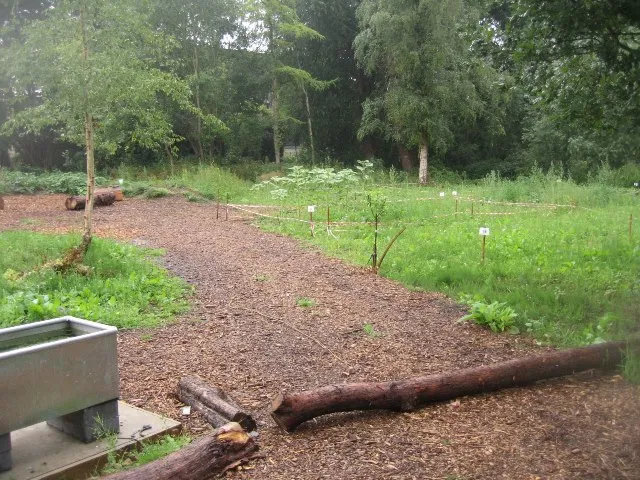
Photo: ad acta , CC BY-SA 2.0, via Wikimedia Commons
There is a particular kind of British optimism that involves putting your name on a list and then getting on with your life. You do it for dentists, for council recycling bins, for a table at the good bakery on a Saturday. And, increasingly, for an allotment. Across the UK, waiting lists for plots have become their own strange social fixture: part patience test, part personality quiz, part excuse to linger by a gate and ask a stranger how their rhubarb is doing.
In 2026, the allotment revival is not really about sudden national self-sufficiency. It is about something softer: a desire for a slower rhythm, a patch of outside that is not a park bench, and a reason to talk to people you did not meet through an app. The waiting list, annoying as it is, has become the first chapter of that story.
The waiting list as a social space
Most councils and allotment associations are frank about it. Plots come up when they come up. Some sites have dozens of names ahead; others move more quickly depending on turnover, location and whether the site has a reputation for excellent manure deliveries or a committee that meets on a Tuesday. The National Allotment Society has long pointed out that demand has been rising, and anyone who has phoned a local authority in recent years will have heard the same gentle sigh before the phrase: I can add you to the list.
But here is the thing. The list is not a void. It is a waiting room with better gossip than most. Allotment associations often run open days, work parties and volunteer mornings, and many welcome would-be plot-holders to help out before a key is available. Turn up to a seed swap with a few spares and a willingness to listen, and you will learn more in an hour than a shelf of gardening manuals can teach you. You will also learn the etiquette. Do not take the last teabag. Do not offer unsolicited advice about someone else's brassicas. And never, ever describe a plot as overgrown within earshot of its tenant.
Shed style and the rules nobody writes down
Allotment culture has its own aesthetic, and it is gloriously unfussy. Think mismatched deckchairs, a tin of biscuits with a rusted lid, a shed painted the colour of a seaside guesthouse, and a watering can that has seen things. The style is not curated so much as accumulated. A good plot has a chair for sitting, a bit of shade and somewhere to put a cup down. That is the whole mood board.
There are practical rules too. Paths should be clear enough for a wheelbarrow. Hedges should not swallow next door's light. Water butts are precious. And if you are lucky enough to inherit a shed, leave the previous tenant's handwritten label for the raspberry canes where it is. It is not clutter; it is local history.
Seed-swap etiquette is its own small code. Bring something, even if it is a handful of self-saved beans in an old envelope. Label clearly. Ask before you take the last of anything. And if someone hands you a courgette in August, accept it with grace. You will understand why when you have your own glut.
What to do while you wait
Waiting is not the same as doing nothing. Start small and start indoors. A windowsill of herbs, a balcony pot of salad leaves, a shared community garden bed or a friend's spare corner all count. Learn the rhythms of your local site by volunteering. Read the site rules before you need them. Find out whether there is a communal compost heap, a trading shed or a tea rota. These are the details that make the difference between a plot that feels like a chore and one that feels like a second home.
It also helps to be realistic about time. A full allotment is a proper commitment, not a lifestyle accessory. A half plot may suit you better. Ask about raised beds, water access and whether the site has a waiting list for a particular size. And keep your details up to date with the council or association. People drop off lists, move away, lose interest. A polite follow-up email is not pushy; it is simply good admin.
The quiet flex of growing slowly
In a culture that likes instant upgrades, the allotment queue asks for something unusual: patience with no tracking link. You cannot refresh your way to a key. You can only turn up, learn the names of the people at the gate, and get your hands dirty somewhere else in the meantime.
That is why the waiting list has become a badge of honour, albeit a modest one. It says you are willing to wait for something worth having. It says you understand that a plot is not just soil and a shed; it is a small, ongoing negotiation with neighbours, weather and time. And when the key finally arrives, you will already know where the teabags are kept.